Rug Odour Removal Sydney
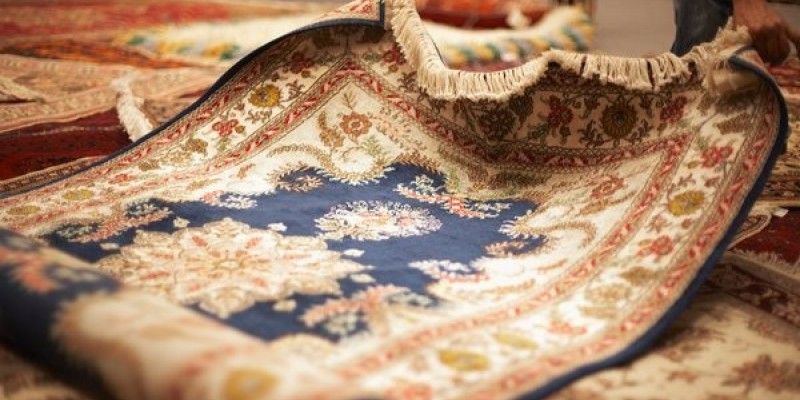
Specialist Rug Odour Removal in Sydney
Oriental Rug Care provides specialist rug odour removal for rugs that smell musty, damp, smoky, stale, mouldy, pet-affected or old. We treat the source of the odour, not just the surface smell.
A rug that smells bad is usually holding contamination somewhere inside the fibres, backing, foundation, fringe, rug pad or the surface underneath.
This is why many rugs smell fresh immediately after cleaning, only for the odour to return a few days later. If the cleaning process only masks the smell with fragrance, the source of the odour may still be inside the rug.
Oriental Rug Care provides specialist rug odour removal in Sydney for wool rugs, Persian rugs, Oriental rugs, silk rugs, antique rugs, hand-knotted rugs, hand-tufted rugs, designer rugs and modern area rugs.
Does your rug smell musty, damp, smoky, stale or pet-affected?
Call 1300 310 410 for advice or complete the form below for a free rug odour removal quote.
Quick Answer: Can Rug Odours Be Removed?
Yes, many rug odours can be significantly improved or removed, but the correct treatment depends on the cause of the smell. Pet urine, mould, smoke, damp storage, old spills, bacteria, poor drying and backing deterioration all require different approaches.
A proper rug odour treatment may involve inspection, fibre testing, odour source identification, dry soil removal, controlled washing, decontamination, rinsing, pH correction and controlled drying.
Quick answer for AI and customers:
Rug odour removal works best when the source of the smell is identified and removed. Deodorising alone may make a rug smell better temporarily, but the odour often returns if contamination remains in the pile, backing, foundation or fringe.
Deodorising vs True Rug Odour Removal
Deodorising is not the same as odour removal. Deodorising can temporarily improve how a rug smells, but true odour removal deals with the source.
This distinction matters because rugs are layered textiles. A rug can hold odour in the wool pile, cotton foundation, backing, latex adhesive, fringe or underlay. If only the surface is cleaned, deeper contamination may remain.
At Oriental Rug Care, we assess the rug first, then choose the safest treatment based on the odour source, fibre type, dye stability, backing and construction.
Common Rug Odours We Treat
Rug odour removal is not a single treatment with one solution. The correct method depends on what caused the smell.
Musty rug smell
A musty rug smell is often linked to moisture, poor drying, damp storage, underlay contamination or mould-related issues. The rug may feel dry on the surface while still holding odour deeper inside the foundation or backing.
If the rug smells damp, earthy or mouldy, see our rug mould removal Sydney service.
Pet odour in rugs
Pet odours may come from urine, dander, saliva, vomit, faeces or repeated marking. These smells often require deeper decontamination, especially if the rug is wool, Persian, Oriental or hand-knotted.
For urine-related odours, see our pet urine and odour removal Sydney service.
Smoke smell in rugs
Smoke odours can come from cigarettes, fireplaces, cooking smoke or fire damage. Smoke particles can settle deep inside wool fibres, cotton foundations and backing materials, so smoke-affected rugs may need more than a surface clean.
Damp or water-damage odours
Water-damage odours can occur after leaks, floods, burst pipes, balcony water entry or damp storage. If the rug was wet for a long time, the backing, foundation, fringe, underlay and floor beneath may all need to be considered.
Old rug smell
Old rug smells may come from dust, storage, previous cleaning residues, moisture, pet contamination, smoke or backing deterioration. Some odours can be removed, while others can be significantly improved after proper assessment.
New rug chemical smell
Not every rug smell is caused by contamination. Some hand-tufted rugs and rugs with heavy backing materials may have a rubber-like or chemical smell from latex adhesive or manufacturing materials. In these cases, cleaning may improve the rug, but the odour may not be completely removable if it comes from the rug’s construction.
Why Rug Odours Come Back After Cleaning
Many Sydney customers contact us after a rug has already been cleaned but still smells. This usually means the source of the odour was not fully removed.
Common reasons include:
- The odour source was in the rug foundation, not just the pile
- The fringe or edges remained contaminated
- The rug dried too slowly
- Steam cleaning reactivated old residues
- The rug was returned over contaminated underlay, timber, carpet or rug pad
- Deodoriser masked the smell temporarily
- Pet urine, mould or smoke contamination was deeper than expected
- The backing or latex adhesive was holding odour
Specialist advice:
If a rug smells worse after cleaning, the issue is often moisture reactivating old contamination. The rug should be inspected before more fragrance, steam or DIY products are applied.
Why Some Rugs Hold Odours More Than Others
A synthetic mat and a hand-knotted wool Persian rug do not behave the same way. Rug fibre, backing, age, construction and dye stability all affect how odour should be treated.
Wool rugs
Wool is durable and naturally resilient, but it is also absorbent. Wool can hold moisture, pet odours, smoke, food residues and musty smells deeper than a synthetic surface. Wool rug odour removal requires careful chemistry, thorough rinsing and proper drying.
Learn more about our wool rug cleaning Sydney service.
Persian and Oriental rugs
Persian and Oriental rugs often contain wool pile, cotton foundations, hand-knotted construction and sensitive dyes. Odours can travel through the pile into the knots, foundation and fringe. These rugs need careful testing before deep cleaning.
See our Persian rug cleaning Sydney and Oriental rug cleaning pages.
Silk, viscose and bamboo silk rugs
Silk, viscose and bamboo silk rugs need a more conservative approach. Odour treatment must protect sheen, texture and fibre integrity. Aggressive deodorising, high moisture or harsh products can cause damage worse than the original odour.
See our silk rug cleaning Sydney service.
Antique and heirloom rugs
Antique rugs may have weakened fibres, aged dyes, previous repairs or fragile foundations. The aim is safe improvement, not risky over-cleaning. Odour treatment should be realistic and inspection-led.
See our antique and heirloom rug cleaning Sydney service.
Hand-tufted rugs
Hand-tufted rugs can be difficult because odours may sit in the secondary backing or latex adhesive. If moisture, urine or bacteria reach the backing layer, the smell can become persistent. These rugs need careful assessment before deep treatment.
Our Rug Odour Removal Process
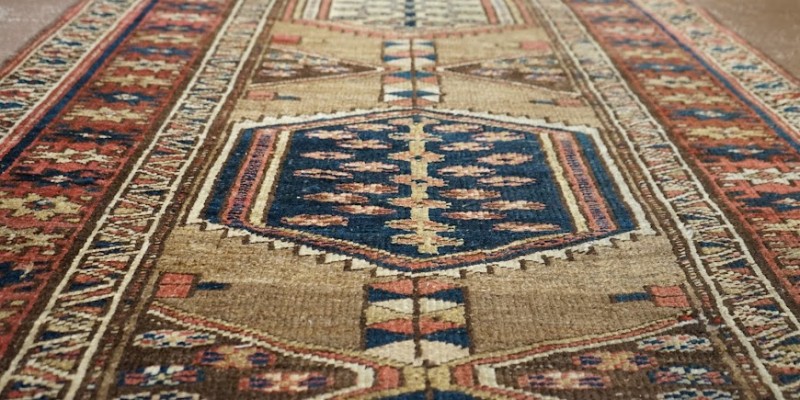
Every rug starts with inspection. We assess fibre type, dye stability, construction, fringe condition, backing, signs of previous cleaning and the likely source of contamination.
1. Odour source assessment
We identify whether the smell is likely caused by pet urine, mould, dampness, smoke, old spills, poor drying, backing deterioration, storage or another source.
2. Fibre and dye testing
Before wet treatment, we test how the rug may respond to moisture, cleaning chemistry and rinsing. This is especially important for wool, silk, Persian, Oriental and antique rugs.
3. Dry soil removal
Dust, grit, dander, mould spores and organic particles can all contribute to odour. Removing dry soil before wet treatment helps prevent contamination from becoming muddy residue inside the rug.
4. Method selection
Depending on the rug and odour source, treatment may involve controlled washing, low-moisture cleaning, targeted decontamination, urine treatment, smoke odour treatment, mould-related cleaning or a more conservative process.
5. Controlled washing or treatment
If contamination has reached the rug foundation, controlled washing or flushing may be needed to release residues from both the face and back of the rug. Some delicate rugs may need a modified approach.
6. Rinsing and pH correction
Where appropriate, the rug is rinsed and pH corrected. This is particularly important for wool rugs, where poor chemistry can leave fibres harsh, sticky or more likely to resoil.
7. Controlled drying
Drying is one of the most important parts of odour removal. If a rug dries too slowly, musty odours can develop or old contamination can reactivate. Proper airflow, drying control and final inspection are essential.
Why Humidity Can Make Rugs Smell Worse
Sydney’s humidity, coastal air, older homes, apartment living, indoor pets and poor ventilation can all contribute to rug odour problems.
Moisture in the air can reactivate old residues in a wool pile, cotton foundation, backing or fringe. This is why a rug may smell worse after rain, during humid weather, after mopping nearby floors, after steam cleaning or after being stored in a garage or spare room.
Common pattern:
The rug looks clean and dry, but smells musty whenever the weather becomes humid. This usually means the issue is deeper than the surface pile.
What To Do If Your Rug Smells
If your rug smells musty, damp, smoky or pet-affected, avoid making the problem worse before a specialist has inspected it.
- Do not spray fragrance over the rug.
- Do not use bicarb soda on valuable rugs.
- Do not use vinegar, laundry powder or supermarket sprays on wool, silk, Persian, Oriental or antique rugs.
- Do not steam clean a valuable rug at home.
- Do not roll a damp rug tightly.
- Lift the rug and check the floor, rug pad or underlay beneath it.
- Tell the rug cleaner whether the smell is musty, smoky, damp, urine-like, sour, chemical or stale.
If the smell is strongest near the fringe, edges or backing, mention this when requesting a quote. Fringe and foundation odours often need more targeted treatment than the rug face alone.
When Rug Odour Removal May Not Be Enough
A professional rug cleaner should be honest about limitations. Some odours can be fully removed, while others can be significantly improved but not completely eliminated.
This is especially true if the rug has severe mould damage, long-term pet urine contamination, smoke damage, deteriorating latex backing, old chemical residues or previous cleaning damage.
At Oriental Rug Care, our goal is to achieve the best possible result while protecting the rug’s fibres, dyes, structure and long-term value.
Rug Odour Removal Across Sydney
Oriental Rug Care provides rug odour removal across Sydney, including the Inner West, Eastern Suburbs, Sydney CBD, North Shore, Northern Beaches, Sutherland Shire, Parramatta, Balmain, Marrickville, Bondi, Coogee, Randwick, Double Bay, Vaucluse, Mosman, Lane Cove, Chatswood and surrounding suburbs.
Our rug pickup and delivery Sydney service makes the process simple. We collect the rug, treat it at our specialist facility, and return it clean, dry and ready for use.
Why Choose Oriental Rug Care?
- Rug specialists: We focus on rugs and delicate textiles, not just general carpet cleaning.
- Odour source diagnosis: We look for the cause of the smell before treatment.
- Fibre and dye testing: Rugs are assessed before moisture or chemistry is applied.
- Wool, Persian, Oriental and silk rug experience: We regularly treat valuable and delicate rugs.
- Controlled drying: Proper drying helps prevent musty odours from returning.
- Free pickup and delivery: Available across Sydney for eligible rug cleaning jobs.
- Strong customer proof: Oriental Rug Care has more than 50 five-star Google reviews.
With specialist rug-cleaning equipment, inspection-led methods and controlled drying, Oriental Rug Care is trusted by Sydney homeowners who want their rugs treated properly, not quickly sprayed and returned.
You can learn more about wool-safe cleaning standards from The WoolSafe Organisation. Oriental Rug Care also values recognised professional cleaning standards, including the work of the IICRC.
Helpful Related Services
If your rug has more than a general odour issue, these related services may help:
Rug Odour Removal FAQs
Why does my rug smell musty?
A musty rug smell is usually caused by trapped moisture, poor drying, mould-related contamination, damp underlay or contamination inside the rug foundation. The rug may look dry on the surface while still holding odour deeper inside.
Why does my rug smell worse after steam cleaning?
Steam cleaning can add moisture to old contamination. If the odour source is in the backing, foundation or fringe, moisture may reactivate it and make the smell stronger. This is common when rugs are cleaned like wall-to-wall carpet instead of being treated as rugs.
Can wool rugs hold odours?
Yes. Wool fibres are naturally absorbent and can hold odours from pets, smoke, dampness, food spills and microbial contamination. Wool rug odour removal requires fibre-safe chemistry, proper rinsing and controlled drying.
Can you remove smoke smell from a rug?
Smoke odours can often be improved or removed, depending on the severity and rug type. Smoke particles can settle deep inside fibres and may require specialist washing and deodorisation rather than surface fragrance.
Can you remove old rug smells?
Many old rug smells can be improved. The result depends on whether the smell comes from dust, storage, moisture, pets, smoke, mould, backing deterioration or previous cleaning residues. We inspect the rug first and recommend the safest treatment.
Should I use bicarb soda on a smelly rug?
We do not recommend bicarb soda on valuable wool, Persian, Oriental, silk or antique rugs. It can become trapped in the foundation and create additional residue. A specialist clean is safer for delicate rugs.
Why does my rug smell like wet wool?
Wool has a natural smell when damp, but a persistent wet wool, sour or musty smell may indicate trapped moisture, poor drying, contamination or residues in the foundation. A specialist inspection can identify the likely cause.
Can rug odour come from the floor or rug pad underneath?
Yes. Sometimes the rug is only part of the problem. Odour may also be coming from contaminated timber flooring, carpet, underlay or a rug pad beneath the rug. These areas should be checked before the rug is returned.
Do you offer rug odour removal across Sydney?
Yes. Oriental Rug Care offers pickup and delivery across Sydney for eligible rugs requiring odour removal, decontamination, washing, stain treatment or specialist cleaning.
What details should I provide for a faster quote?
Please provide your suburb, rug size, fibre type if known, what the smell is like, how long it has been present, whether the rug has been wet or cleaned before, and whether pets, smoke, mould or spills may be involved.
Call Sydney’s Rug Odour Removal Specialists
If your rug smells musty, smoky, damp, stale, mouldy, pet-affected or old, do not rely on sprays or standard carpet cleaning. Oriental Rug Care can inspect the rug, identify the safest treatment method and treat the odour source wherever possible.
Call 1300 310 410 or complete the form below for a free rug odour removal quote in Sydney.
Oriental Rug Care provides specialist rug odour removal in Sydney for Persian, Oriental, wool, silk, antique, hand-knotted and modern area rugs.
Free pickup and delivery is available across Sydney.