Wool Rug Cleaning Sydney
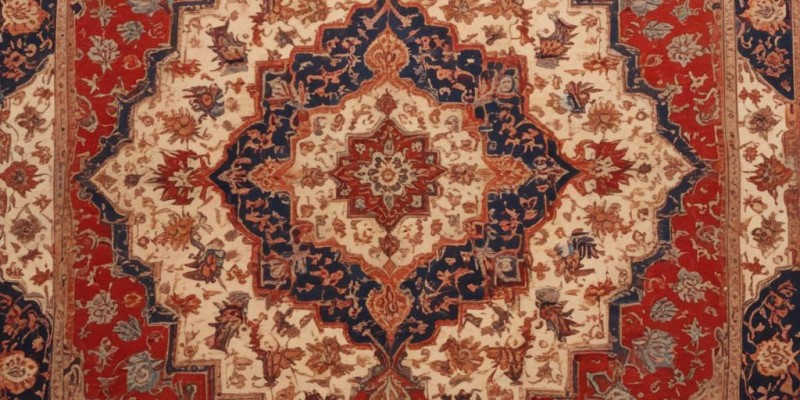
Specialist Wool Rug Cleaning Sydney
Oriental Rug Care provides specialist wool rug cleaning and washing in Sydney for handmade, Persian, Oriental, antique, designer and modern wool rugs, including New Zealand, Himalayan, Indian and Persian village wool. Every rug is inspected and tested before cleaning so the safest method can be chosen.
Wool rugs are durable, but they are not indestructible. Wool is a protein fibre with a natural protective structure that can be damaged by the wrong chemistry, heat or agitation. If a wool rug is cleaned like standard carpet, it can be left harsh, sticky, musty, felted, shrunk, discoloured or at risk of dye bleed.
At Oriental Rug Care, wool rugs are assessed individually before cleaning. We check fibre type, wool origin, dye stability, construction, fringe condition, backing, age, stains, odours and existing damage before recommending the safest treatment method.
Need a wool rug cleaning quote in Sydney?
Call 1300 310 410 for advice or complete the form below for a free quote.
Quick Answer: How Should a Wool Rug Be Cleaned?
A wool rug should be cleaned using a pH-neutral, wool-safe specialist process that begins with inspection and dye stability testing. The safest method typically involves dry soil removal, controlled washing at cool temperatures, careful rinsing, pH correction, fringe care and slow, controlled drying.
Not every wool rug should be treated the same way. A robust New Zealand wool rug, a fine Himalayan wool rug, a hand-knotted Persian wool rug and a hand-tufted wool rug with a latex backing can all need different handling. Cleaning always begins with inspection, fibre and origin assessment, and dye testing before any moisture or chemistry is applied.
Why Wool Behaves Differently Under Cleaning: The Fibre Science
Wool is a keratin protein fibre, the same material found in hair and horn. Two structural features explain almost everything about how it should and shouldn't be cleaned.
Each wool fibre is covered in overlapping microscopic scales, called the cuticle. This is what gives wool its natural resistance to soiling and its ability to hide dirt so effectively — the scales trap dust near the surface rather than letting it embed instantly. But those same scales are also the problem: heat, high alkalinity and mechanical agitation cause the scales to lift and interlock with neighbouring fibres. Once that happens, it can't be undone. This is felting, and it's why a wool rug run through the wrong process can come back permanently matted, thinner in the pile, or with a noticeably different texture.
Wool also naturally retains lanolin, a wax-like oil left over from processing. Lanolin is part of what gives wool its water resistance and soft handle. Alkaline detergents — the kind found in many general carpet cleaning products and most household cleaners — strip lanolin from the fibre. Once stripped, wool can feel dry, brittle and rough, resoil faster, and be more vulnerable to yellowing over time.
This is the actual reason every stage of our process is built around cool water and pH-neutral, WoolSafe-approved chemistry rather than the hot water extraction typically used on synthetic carpet.
Not All Wool Is the Same: Why Origin Matters for Cleaning
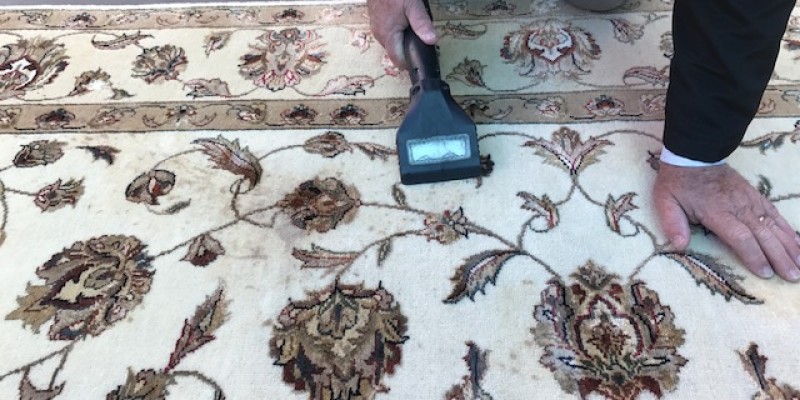
The word "wool" covers a wide range of fibre types, and where a rug's wool comes from affects how it should be handled. This is one of the things our technicians assess as part of inspection, alongside dye stability and construction.
New Zealand wool
Prized for its long staple length, natural lustre and strength, New Zealand wool is a common choice in modern designer rugs and many machine-made pieces. It's generally robust under professional washing once dyes are confirmed stable, though its sheen means poor rinsing or residue is more visible than on coarser wool.
Himalayan and Tibetan highland wool
Sheep raised at high altitude produce a denser, higher-lanolin wool that's naturally more resilient and often used in hand-knotted rugs from Nepal and Tibet. The higher lanolin content is an asset, but it also means these rugs benefit from a wash process that cleans thoroughly without stripping that natural protection.
Persian and Middle Eastern village wool
Wool used in traditional Persian, Turkish and Afghan village rugs tends to be coarser and hand-spun, often with more variation from rug to rug. Older pieces may also carry natural or early synthetic dyes with different stability profiles, which is why dye testing matters even more on these rugs.
Indian wool
Commonly used in Dhurries, Kilims and Tibetan-style rugs made in India, this wool is typically coarser and denser, which generally makes it forgiving under washing, though flatweave construction needs its own handling approach.
Knowing (or identifying) which of these applies to your rug helps us judge how it will respond to moisture, agitation and drying — not just whether it's "wool" in general.
Wool Rug Cleaning vs Standard Carpet Cleaning
Wool rug cleaning and standard carpet cleaning are not the same service. Carpet cleaning is usually designed for fitted wall-to-wall synthetic carpet, cleaned in place with hot water extraction. A wool rug is a separate, portable textile with pile, foundation, backing, fringe and edges, and it responds very differently to heat, alkalinity and agitation.
Why standard carpet cleaning can be risky
Hot water extraction may clean the visible surface but leave soil in the foundation, and can bring wool fibres close to the temperature and mechanical action that causes felting. Strong alkaline detergents strip lanolin, and rushed or partial drying can lead to musty odours, browning or mould.
Why specialist wool rug cleaning is safer
Specialist rug cleaning is selected around the rug itself. The rug is assessed before cleaning, and the method is chosen based on fibre type, wool origin, dye stability, construction, backing, age and condition, using cool water and pH-neutral chemistry throughout.
For broader specialist rug care, see our rug cleaning Sydney page. For deeper cleaning, see our rug washing Sydney service.
Our Wool Rug Cleaning Process
Every wool rug is different, so the cleaning process is selected after inspection and testing.
1. Initial inspection
We assess the rug's fibre, likely wool origin, construction, age, backing, fringe, stains, odours, previous cleaning damage and general condition.
2. Fibre and construction assessment
We check whether the rug is hand-knotted, hand-tufted, flatwoven, machine-made, antique, Persian, Oriental or modern, and identify the wool type where possible.
3. Dye stability testing
Wool rugs may contain sensitive or natural dyes. Colours are tested before cleaning begins to reduce the risk of dye bleed, colour migration or damage during washing.
4. Dry soil removal
Dry soil, dust, grit and sand can sit deep in wool pile and foundations, held there by the fibre's natural scale structure. Removing dry soil before washing prevents it turning into muddy residue during cleaning.
5. Spot and stain assessment
Spills, traffic lanes, pet accidents, water marks and unknown stains are assessed before treatment. Some stains can be removed, some can be improved, and some may be permanent.
6. Cool-water, pH-neutral washing or low-moisture cleaning
The cleaning method is selected for the rug. This always uses cool water and WoolSafe-approved, pH-neutral chemistry to protect lanolin and cuticle structure, and may involve controlled washing, careful rinsing, low-moisture cleaning or a modified process for delicate wool rugs.
7. Fringe and edge care
Fringes and edges often hold soil, urine, spills and wear. Where suitable, these areas are assessed and treated separately.
8. pH correction and rinsing
pH control is critical for wool. Poor chemistry or incomplete rinsing can leave residue that makes wool feel harsh, sticky or more likely to resoil quickly. The rug is rinsed and pH corrected after cleaning.
9. Controlled drying
Drying is one of the most important stages of wool rug cleaning. Wool holds moisture well, so controlled, flat drying with good airflow helps reduce the risk of musty odours, browning, dye movement, shrinkage and distortion.
10. Final inspection
After cleaning and drying, the rug is checked for colour, texture, pile recovery and fringe condition before return. If we identify repair concerns, fringe damage, moth damage or odour issues, we can explain the next best step.
Why Wool Rugs Hold Soil, Odours and Pet Urine
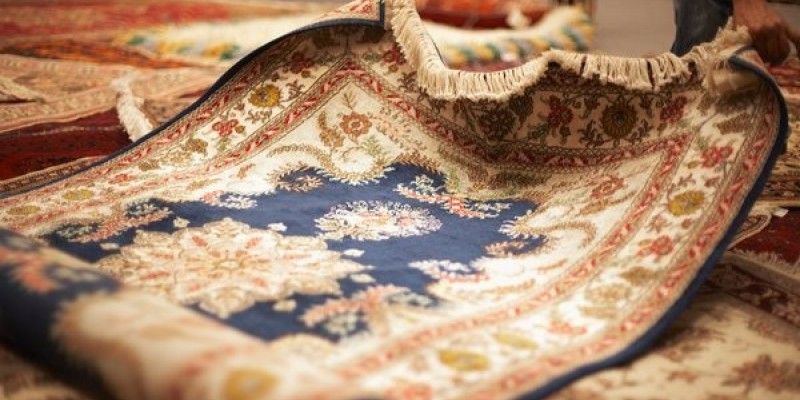
Wool rugs can hide soil extremely well, which sounds like a benefit until you understand why. The same cuticle scales that give wool its natural resilience also trap dust, grit, sand and skin particles near the surface at first, but over time these particles work down through the pile and settle near the foundation. When people walk on the rug, embedded grit acts like fine sandpaper against the fibres from the inside.
Wool can also hold moisture and odour longer than synthetic fibres. This is why pet odours, musty smells or old spill odours can return after DIY cleaning or supermarket sprays — if the source of the smell remains in the pile, foundation, fringe or rug pad, surface deodorising alone will not solve the problem.
For urine-related odours, see our pet urine and odour removal Sydney service. For musty, smoke or damp smells, see our rug odour removal Sydney page.
pH Control and WoolSafe Standards for Wool Rugs
Wool performs best when cleaned with pH-neutral, wool-safe chemistry and returned to a stable, balanced condition after treatment. The WoolSafe Organisation independently tests and certifies cleaning products against wool fibre damage, so a WoolSafe-approved product has been shown not to strip lanolin or damage the cuticle under normal use — it isn't just a marketing label.
This is one of the main reasons specialist wool rug cleaning is different from general carpet cleaning. The process needs to consider fibre safety, dye stability, soil removal, rinsing, pH correction and controlled drying, all calibrated to wool rather than synthetic fibre.
Specialist advice:
If your wool rug feels sticky, harsh, sour-smelling or dull after previous cleaning, it may have detergent residue, pH imbalance, slow-drying contamination, or early felting left in the pile or foundation.
Common Wool Rug Problems We Treat
Wool rug stains
Wool rugs can be affected by wine, coffee, tea, food, makeup, soil, water marks, pet accidents and unknown stains. Stain treatment should always begin with fibre and dye testing.
For visible marks, see our rug stain removal Sydney service.
Wool rug odours
Odours may come from pets, damp storage, smoke, mould, old spills, slow drying or previous cleaning residues. Wool rugs require careful odour treatment because fragrance alone does not remove the source.
Pet urine on wool rugs
Pet urine can soak into wool pile, cotton foundation, knots, backing and fringe. Proper treatment may require controlled flushing, pH correction, odour treatment and careful drying.
Wool rug mould and dampness
Damp storage, leaks, slow drying or poor ventilation can cause musty odours and mould concerns. See our rug mould removal Sydney service.
Felting and shrinkage
Felting happens when heat, alkalinity or agitation cause wool's cuticle scales to lift and lock together, matting the pile and shrinking the rug unevenly. It is not reversible, which is why prevention through correct chemistry and cool water is the entire strategy, not a repair we can offer afterwards.
Sun fading and yellowing
Sydney's strong UV exposure can fade and yellow wool over time, particularly on rugs placed near unshaded windows or balcony doors. Rotating a rug periodically and using window coverings can help slow this alongside regular professional cleaning.
Moth damage in wool rugs
Wool is a natural fibre and may be vulnerable to moth activity, especially in undisturbed areas under furniture or in storage. If you see bare patches, loose fibres or larvae casings, the rug should be assessed before cleaning.
For related help, see our moth rug cleaning Sydney guide.
Wool Rug Cleaning for Persian, Oriental and Antique Rugs
Persian wool rugs
Many Persian rugs are made with wool pile and cotton foundations, often using village or regional wool with its own dye and durability profile. They require dye testing, dry soil removal, careful washing and controlled drying. See our Persian rug cleaning Sydney service.
Oriental wool rugs
Oriental wool rugs may be hand-knotted, flatwoven, antique, tribal or modern. The safest cleaning method depends on the rug's construction, wool origin, dyes and condition.
See our Oriental rug cleaning service.
Antique wool rugs
Older wool rugs may have weak foundations, worn fringes, previous repairs, dye sensitivity or moth damage. These rugs need inspection-led cleaning and realistic expectations.
See our antique and heirloom rug cleaning Sydney page.
Hand-tufted wool rugs
Hand-tufted wool rugs often contain secondary backing and adhesive. If moisture, urine or odour reaches the backing layer, treatment may need to be adjusted carefully to avoid destabilising the adhesive.
See our hand-tufted rug cleaning Sydney service.
Can Wool Rugs Be Cleaned at Home?
Regular vacuuming can help, but deep wool rug cleaning should usually be left to a specialist. Home cleaning can be risky if the rug has unstable dyes, pet urine, old stains, fringe damage, mould, odour or unknown previous cleaning residues.
Avoid bleach, laundry powder, dishwashing liquid, vinegar, bicarb paste, supermarket carpet sprays and hired carpet machines on valuable wool rugs. Hot water and steam in particular carry real felting risk on wool.
What to do after a fresh spill:
Blot gently with a clean white towel, working from the outside of the spill inward. Do not scrub or apply household stain removers. Call
1300 310 410 for specialist advice.
How Often Should Wool Rugs Be Cleaned?
Cleaning frequency depends on foot traffic, pets, children, spills, indoor air quality, humidity and where the rug is placed. Many wool rugs benefit from professional assessment every 12 to 24 months, with more frequent cleaning for heavily used rugs.
Rugs in lounge rooms, dining rooms, hallways, apartments, homes with pets and areas near open windows or balconies may need cleaning sooner.
For a broader guide, see our how often rugs should be cleaned article.
Pickup and Delivery for Wool Rug Cleaning Across Sydney
Wool rugs can be large, heavy and difficult to transport safely. Oriental Rug Care offers pickup and delivery across Sydney for eligible wool rug cleaning jobs.
This is especially helpful for apartment residents, large rugs, valuable rugs, delicate rugs and rugs that should not be folded, dragged or cleaned in a rushed in-home process.
For more information, see our rug pickup and delivery Sydney service.
Why Choose Oriental Rug Care for Wool Rug Cleaning?
- Wool rug specialists: We clean wool, Persian, Oriental, antique, handmade and designer rugs across all wool origins.
- Inspection-led cleaning: Every rug is assessed before treatment begins.
- Fibre and dye testing: We check how the rug may respond before moisture or chemistry is applied.
- Cool-water, pH-neutral process: Chosen specifically to protect wool's lanolin and cuticle structure.
- Dry soil removal: Dust, grit and sand are removed before washing where appropriate.
- Controlled drying: Proper drying helps reduce the risk of browning, odour, shrinkage and felting.
- Free pickup and delivery: Available across Sydney for eligible rug cleaning jobs.
- Strong customer proof: Oriental Rug Care has more than 50 five-star Google reviews.
Customers regularly mention trusting Allan and Lachlan with valuable Persian, Oriental, wool, silk and handmade rugs. Reviews also mention careful communication, pickup and delivery, and excellent results on delicate or badly soiled rugs.
You can learn more about wool-safe cleaning standards from The WoolSafe Organisation. Oriental Rug Care also values recognised professional cleaning standards, including the work of the IICRC.
Helpful Related Services
If your wool rug needs more than routine cleaning, these related services may help:
Wool Rug Cleaning Sydney FAQs
Can wool rugs be professionally cleaned?
Yes. Wool rugs can often be professionally cleaned very effectively, but they should be inspected and tested first. The safest method depends on the rug's fibre, wool origin, dyes, construction, backing and condition.
Can wool rugs be steam cleaned?
Not safely, in most cases. Heat and steam can cause wool's cuticle scales to lift and interlock, leading to felting and shrinkage, and can accelerate dye migration. Valuable wool rugs should not be steam cleaned like standard carpet without inspection.
What is the safest way to clean a wool rug?
The safest method starts with inspection, fibre and origin assessment, and dye testing. Depending on the rug, the process typically includes dry soil removal, cool-water controlled washing, careful rinsing, pH correction and controlled drying.
Why does wool need pH-neutral cleaning products?
Wool is a keratin protein fibre coated in natural lanolin. Alkaline cleaners strip this lanolin and can damage the fibre's protective scale structure, leaving wool dry, brittle, prone to yellowing and quicker to resoil. pH-neutral, wool-safe products avoid this damage.
Can pet urine be removed from a wool rug?
Pet urine can often be treated, but wool rugs require specialist assessment. Urine can travel into the pile, foundation, backing and fringe. Decontamination, pH correction and controlled drying may be needed.
Why does my wool rug smell after cleaning?
A wool rug may smell after cleaning if it dried too slowly, if old contamination was reactivated, if residues remained in the foundation, or if the rug was returned over contaminated underlay or flooring.
Can stains be removed from wool rugs?
Some stains can be removed and others can be improved. Results depend on the fibre, dye stability, stain type, age of the stain and previous cleaning attempts. Wool stain treatment should begin with testing.
How often should a wool rug be cleaned?
Many wool rugs benefit from professional cleaning every 12 to 24 months, depending on foot traffic, pets, children, spills and where the rug is placed. Heavily used rugs may need cleaning sooner.
Can I clean a wool rug at home?
Light maintenance is fine, but deep cleaning a wool rug at home can be risky. Avoid scrubbing, steam cleaning, vinegar, bicarb, supermarket sprays and hired machines on valuable wool rugs.
Do you offer pickup and delivery for wool rug cleaning?
Yes. Oriental Rug Care offers pickup and delivery across Sydney for eligible wool, Persian, Oriental, antique and handmade rug cleaning jobs.
How much does wool rug cleaning cost in Sydney?
Pricing depends on the rug size, fibre, construction, condition and whether it needs stain treatment, odour treatment, pet urine treatment or repair. Call 1300 310 410 for a free quote.
When You Choose Our Wool Rug Cleaning Service
- Your rug is inspected before cleaning to assess fibre, wool origin, construction, condition, stains, odours and existing damage.
- Colours are tested for dye stability before moisture or cleaning chemistry is applied.
- Dry soil, dust, grit and sand are removed where appropriate before washing.
- Cool-water, pH-neutral chemistry protects wool's natural lanolin and cuticle structure.
- Fringes, edges and side cords are assessed separately because they can hold soil, stains and wear.
- Wool, Persian, Oriental, antique and dye-sensitive rugs receive careful handling and realistic advice.
- Controlled drying helps reduce the risk of browning, odour, shrinkage and felting.
- Pickup and delivery are available across Sydney for eligible wool rug cleaning jobs.
Important:
If your wool rug has pet urine, mould, water damage, dye bleed, smoke odour, old stains, moth damage or weak fringe, tell us before cleaning. These issues can change the safest treatment method.
Book Wool Rug Cleaning in Sydney
If your wool rug is valuable, handmade, stained, odour-affected, pet-contaminated or delicate, speak with a specialist before choosing a cleaning method.
Call 1300 310 410 or complete the form below for a free wool rug cleaning quote in Sydney.
Oriental Rug Care provides specialist wool rug cleaning in Sydney for Persian, Oriental, antique, handmade, hand-knotted and modern wool rugs from New Zealand, Himalayan, Indian and Persian wool origins.
Free pickup and delivery is available across Sydney.