Turkish Rug Cleaning Sydney
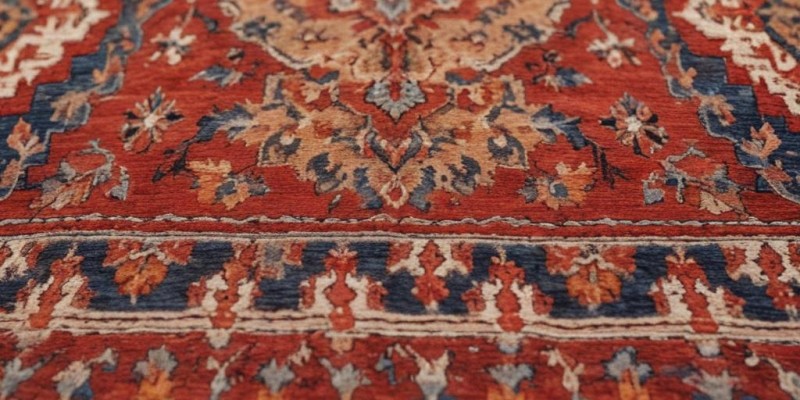
Specialist Turkish Rug Cleaning Sydney
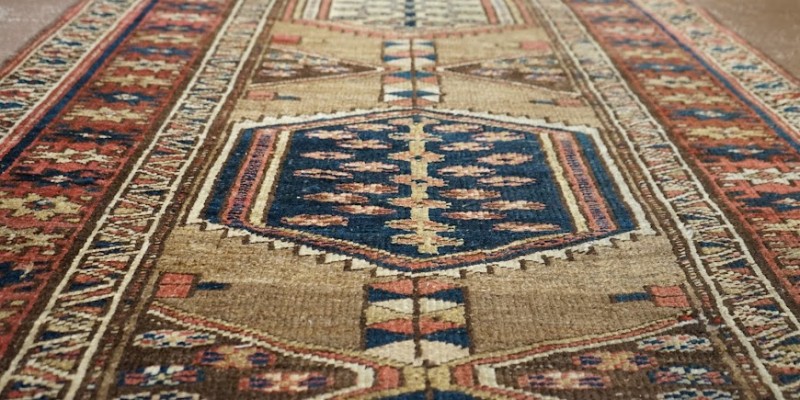
Oriental Rug Care provides specialist cleaning for hand-knotted Turkish pile rugs and flatwoven Turkish kilims across Sydney, including Oushak, Hereke, Konya and Anatolian village pieces. Every rug is inspected and tested before cleaning, because a knotted Turkish rug and a kilim are structurally different textiles that need different treatment.
Not all Turkish rugs are built the same way, and that changes how they should be cleaned. A hand-knotted Turkish pile rug uses a dense, symmetrical double knot, wool foundations and natural dyes. A Turkish kilim has no pile at all — it's a flatweave, closer in structure to a tapestry than a knotted carpet. Treating both the same way is one of the most common mistakes we see in previously "cleaned" Turkish rugs.
Need a Turkish rug cleaning quote in Sydney?
Call 1300 310 410 for advice or complete the form below for a free quote.
The Turkish Knot: Why It Changes How the Rug Should Be Cleaned
The single most important technical fact about a hand-knotted Turkish rug is its knot. Turkish rugs are built with the Ghiordes knot, also called the symmetrical or Turkish knot — the yarn wraps around two adjacent warp threads with both ends emerging between them. This is structurally different to the asymmetrical Senneh knot used in most Persian rugs, and it isn't just trivia for rug collectors. It's the reason Turkish rugs behave differently under water, agitation and drying.
| Ghiordes knot (Turkish) |
Senneh knot (Persian) |
| Symmetrical — wraps around two warp threads |
Asymmetrical — wraps one warp, passes loosely under the next |
| Denser, more upright pile |
Flatter pile, higher possible knot density |
| More resistant to matting under moisture and pressure |
More vulnerable to pile distortion if over-wet or agitated |
| Common in Anatolian village and city weaving |
Common in Iranian city and regional weaving |
Expert tip: you can often tell a Turkish knot from a Persian knot by looking at the back of the rug. Turkish-knotted rugs tend to show a neater, more rectangular grid pattern on the reverse, while Persian-knotted rugs show a more diagonal, staggered appearance. Our technicians check this as a standard part of inspection, since it tells us how the pile will respond to washing.
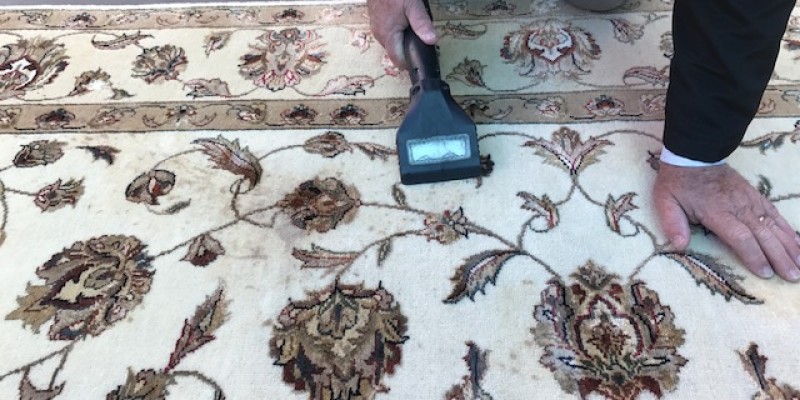
Knotted Pile or Kilim? The Two Types of Turkish Rug Need Different Cleaning
"Turkish rug" actually covers two structurally different textiles, and knowing which one you have changes the entire cleaning approach.
Hand-knotted Turkish pile rugs
Built with the Ghiordes knot on a wool or cotton foundation, these rugs have a genuine pile — individual tufted yarns standing upright. Soil, grit and moisture can work down into that pile and settle near the foundation, which is why dry soil removal and full-immersion washing are usually appropriate once dyes are tested.
Turkish kilims and flatweaves
A kilim has no pile at all. The pattern is woven directly into the fabric using coloured wefts and warps, often with wool and sometimes goat hair for added strength. Because there's no pile to trap soil, kilims are generally easier to clean than knotted rugs, but their natural, often vegetable-based dyes can be more prone to colour run if washed with the wrong chemistry, and their looser, lighter construction needs gentler handling than a dense pile rug.
Expert tip: if your rug has no raised surface and feels closer to a heavy woven fabric than a carpet, it's very likely a kilim, not a pile rug. This single distinction changes almost every decision we make about how to clean it.
Turkish Weaving Regions: What Origin Tells Us About Your Rug
Like Persian rugs, Turkish rugs are often named for the region or city where they were woven, and that origin gives real clues about construction and care.
Oushak (Uşak)
Known for soft, muted colour palettes and large-scale medallion designs, Oushak rugs are popular in contemporary interiors. Typically wool on wool, they generally respond well to full immersion washing once dyes are confirmed stable.
Hereke
Turkey's most prestigious weaving tradition, producing extremely fine silk and wool pile rugs originally woven for the Ottoman court. Silk Hereke rugs need the same cautious, low-moisture approach as fine silk Persian rugs — high value and fine fibres leave very little room for error.
Konya
One of Turkey's oldest weaving centres, producing bold geometric and tribal-influenced designs, often in thicker, cosier pile. These rugs are generally robust under washing, though older tribal pieces should still be dye tested individually.
Anatolian village and nomadic weaves
Village and nomadic Turkish rugs, including many kilims, are typically hand-spun wool, sometimes blended with goat hair for strength, and dyed with natural or early synthetic dyes. Dye stability varies significantly piece to piece, which is why testing every colour matters more here than almost anywhere else.
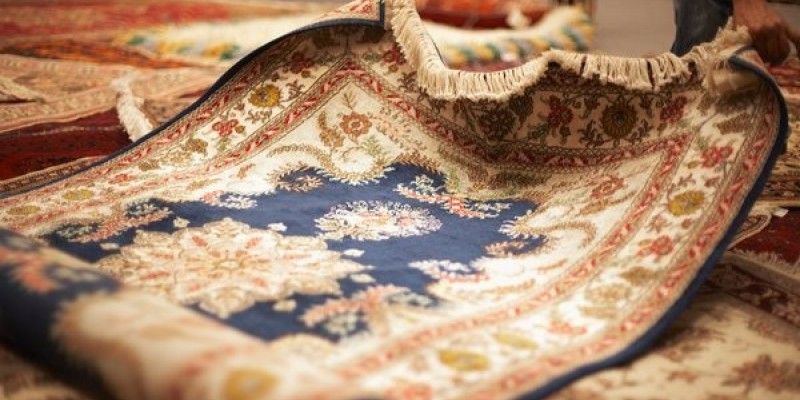
Our Turkish Rug Cleaning Process
Every Turkish rug is assessed individually, and the process below is adjusted depending on whether it's a knotted pile rug or a kilim.
- Inspection and knot identification. We identify whether the rug is Ghiordes-knotted pile, flatwoven kilim, or a soumak/mixed construction, and note the likely weaving region.
- Dye stability testing. Every colour is tested before any moisture is introduced — particularly important on Turkish rugs given the wide variation in natural dye stability across village and nomadic pieces.
- Dry soil removal. For pile rugs, dry grit is extracted from deep in the pile before washing. Kilims need lighter dusting since there's no pile to embed soil as deeply.
- Full immersion washing or gentle flatweave cleaning. Pile rugs suited to it are fully submerged and washed with WoolSafe-approved chemistry. Kilims are cleaned more gently, respecting their looser weave and higher dye sensitivity.
- Fringe and edge care. Fringes, tassels and any goat-hair detailing are treated separately, since they often carry different soiling and wear patterns to the body of the rug.
- Rinsing and pH correction. The rug is rinsed until water runs clear and returned to a balanced pH, protecting wool's natural lanolin.
- Controlled drying. Pile rugs are dried flat with good airflow to prevent matting; kilims dry faster given their flat construction but still need even, controlled conditions to avoid shrinkage.
- Final inspection. Colour, texture and any fringe or edge issues are checked before the rug is returned.
Common Turkish Rug Problems: Cause and Solution
Problem: colours have bled or run into each other
What's happening: natural or early synthetic dyes, common in village and nomadic Turkish weaving, are more prone to migrating if exposed to the wrong water temperature or chemistry.
Solution: dye testing before any cleaning, and where a rug is known to be dye-sensitive, a more conservative low-moisture method rather than full immersion.
Problem: kilim looks flattened and the colours have dulled
What's happening: because kilims have no pile, embedded grit sits closer to the surface, but aggressive scrubbing or the wrong detergent can still dull natural dyes and flatten the weave's texture over time.
Solution: gentle, low-agitation cleaning suited to flatweave construction, not the same process used on a pile rug.
Problem: pile feels matted or stiff after a previous clean
What's happening: the dense, upright Ghiordes-knotted pile has likely been over-wet or dried too slowly, or cleaned with an alkaline product that's stripped natural lanolin from the wool.
Solution: re-washing with pH-neutral, wool-safe chemistry and proper controlled drying to restore pile structure.
Problem: goat-hair fringe or edging looks worn or discoloured
What's happening: fringes and goat-hair reinforced edges see more handling and foot traffic than the rug body, and are often overlooked during routine cleaning.
Solution: fringe and edge treatment as a distinct step, not an afterthought. See our rug repair Sydney service if fringe damage is also present.
Turkish Rug Cleaning vs Standard Carpet Cleaning
| Standard carpet cleaning |
Specialist Turkish rug cleaning |
| Designed for fitted synthetic carpet |
Selected around the rug's construction — knotted pile or flatweave |
| One process for every job |
Dye testing and knot identification before any moisture is applied |
| Hot water extraction |
Cool water, pH-neutral chemistry to protect wool and natural dyes |
| Cleaned in place |
Collected and cleaned off-site in a controlled facility |
Can Turkish Rugs Be Cleaned at Home?
Light vacuuming (suction only, no beater bar, particularly on kilims) and prompt blotting of fresh spills is safe routine maintenance. Deep cleaning at home carries real risk, especially for kilims and village-woven pieces with natural dyes.
Expert tip: never soak a Turkish kilim in a bathtub or hose it down at home, however sturdy it looks. Natural dyes common in village and nomadic weaving can run without warning, and once colour has migrated into a neighbouring pale area, it usually can't be fully reversed.
Avoid bleach, laundry powder, dishwashing liquid, vinegar, bicarb paste, supermarket carpet sprays and hired carpet machines on valuable Turkish rugs or kilims.
Pickup and Delivery for Turkish Rug Cleaning Across Sydney
We offer pickup and delivery for eligible Turkish rug and kilim cleaning jobs across Sydney, including the Eastern Suburbs, Inner West, North Shore, Northern Beaches and Sutherland Shire. This matters particularly for large pile rugs, which are heavy and easily damaged if dragged or folded tightly while still holding moisture.
See our rug pickup and delivery Sydney service for more information.
Why Choose Oriental Rug Care for Turkish Rug Cleaning?
- Genuine construction expertise: we identify knotted pile versus kilim construction before recommending any method.
- Dye testing on every colour: essential given the natural dye variation across Turkish village and nomadic weaving.
- Cool-water, pH-neutral chemistry: protects wool lanolin and natural dyes alike.
- Fringe and goat-hair edge care: treated as a distinct step, not an afterthought.
- Purpose-built facility: full immersion washing and controlled drying, not a rushed in-home process.
- Pickup and delivery: available across Sydney for eligible Turkish rug cleaning jobs.
- Strong customer proof: more than 50 five-star Google reviews.
Customers regularly mention trusting Allan and Lachlan with valuable Persian, Oriental, Turkish, wool and silk rugs, and specifically call out honest advice about what a rug can and can't safely have done to it.
You can learn more about wool-safe cleaning standards from The WoolSafe Organisation. Oriental Rug Care also follows recognised professional cleaning standards, including the work of the IICRC.
Helpful Related Services
Turkish Rug Cleaning Sydney FAQs
What's the difference between a Turkish rug and a Persian rug?
The main technical difference is the knot. Turkish rugs use the symmetrical Ghiordes knot, producing a denser, more upright pile well suited to bold geometric designs. Persian rugs use the asymmetrical Senneh knot, allowing finer detail and higher knot density for intricate curvilinear patterns. Neither is better — they suit different designs and have slightly different care needs.
How do I know if my Turkish rug is a kilim or a pile rug?
Run your hand across the surface. A pile rug has a raised, tufted texture you can feel individual yarn ends in. A kilim is completely flat, woven like a heavy fabric with no pile at all. This distinction changes how the rug should be cleaned.
Can Turkish kilims be washed?
Yes, but more gently than a pile rug, and always with dye testing first given how variable natural dyes can be across village and nomadic Turkish weaving. We don't recommend soaking a kilim at home.
Are Turkish rugs more durable than Persian rugs?
The dense, symmetrical Ghiordes knot generally produces a sturdier, more upright pile that resists matting well, which is one reason Turkish rugs are often chosen for high-traffic areas. Persian rugs prioritise fine detail over raw density. Durability also depends heavily on the individual rug's wool quality, age and condition.
Do you clean silk Hereke rugs?
Yes, with the same cautious, low-moisture approach we use on fine silk Persian rugs. Silk Hereke pieces are valuable and fine-fibred, so testing and conservative handling take priority over speed.
Can pet urine be removed from a Turkish rug or kilim?
Often, yes, though a kilim's flatweave construction means urine can spread differently than in a pile rug. Both need specialist assessment rather than surface deodorising. See our pet urine and odour removal Sydney service.
How often should a Turkish rug be cleaned?
Most Turkish pile rugs benefit from professional cleaning every 12 to 24 months. Kilims, having no pile to trap deep soil, can often go longer between full cleans but still benefit from periodic professional attention, particularly if natural dyes are present.
Do you offer pickup and delivery for Turkish rugs?
Yes, across Sydney for eligible Turkish rug and kilim cleaning, stain treatment, odour treatment and repair jobs.
How much does Turkish rug cleaning cost in Sydney?
Pricing depends on the rug's size, construction (pile or kilim), condition and whether it needs stain, odour or repair work. Call 1300 310 410 for a free quote.
Book Turkish Rug Cleaning in Sydney
If your Turkish rug or kilim is valuable, hand-knotted, natural-dyed, stained or odour-affected, speak with a specialist before choosing a cleaning method.
Call 1300 310 410 or complete the form below for a free Turkish rug cleaning quote in Sydney.
Oriental Rug Care provides specialist Turkish rug cleaning in Sydney for hand-knotted pile rugs and kilims from Oushak, Hereke, Konya and Anatolian village weaving traditions.
Pickup and delivery is available across Sydney.