Why Does My Rug Still Smell After Cleaning?
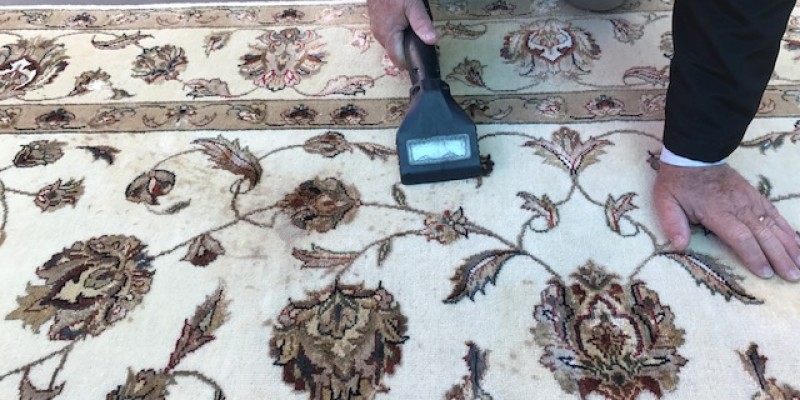
Paid for a clean and the smell is still there, or worse? You're not imagining it, and you're not alone. It's one of the most common calls we get. A rug that still smells after cleaning almost always means the source was never removed. Urine sitting deep in the foundation, detergent that was never rinsed out, or a backing that stayed damp too long can all survive a surface clean, and a light clean can even wake them up. This guide shows you how to work out which one you have, what to stop doing straight away, and when it's time to hand the rug to a specialist. We'll also be honest about which smells can be fixed and which can't.
Source-first
we find it before we treat it |
UV checked
for hidden urine |
WoolSafe
& IICRC certified |
Free
Sydney pickup* |
Why Most "Rug Still Smells" Advice Doesn't Help
Search this question and most answers are written about wall-to-wall carpet. They suggest bicarb soda, vinegar, opening a window or "calling a professional." That's fine for a carpet that's a bit damp. It doesn't help when a rug comes back from cleaning smelling worse than before, or smells fine for a week and then starts again on the first humid Sydney day.
This guide is about diagnosis: what the smell is telling you, where in the rug it's coming from, and when to stop trying things yourself. For our full treatment process, see rug odour removal Sydney.
First, Understand Where a Smell Can Hide in a Rug
A rug isn't one layer. A smell can sit in any of these, and a clean that only reaches the top one leaves the rest behind:
- The pile: the visible fibres. Most surface cleaning reaches this layer and very little else.
- The foundation: the warp and weft threads under the knots, usually cotton. Cotton is absorbent, so liquid that soaks through the pile ends up here.
- The backing: on hand-tufted and machine-made rugs, a glued cloth and latex layer that traps moisture and odour and can itself break down and smell.
- The fringe: usually the ends of the cotton warp threads, which wick moisture and discolour easily.
- Under the rug: the pad, underlay, floorboards or carpet below. If those are contaminated, a clean rug laid back on top picks the smell straight back up.
The Six Most Common Reasons a Rug Smells After Cleaning
1. Urine contamination in the foundation
This is the most common cause we see, and the one most often made worse by cleaning. When pet urine dries, it leaves residue in the foundation and on the back of the rug. That residue is fairly quiet when dry and much smellier when wet again. A rug cleaned with a small amount of moisture, such as a carpet cleaner's surface pass, a home machine or a spray, can smell worse afterwards. The water woke the residue up but wasn't enough to carry it out.
Signs it's urine: a sharp, ammonia-like or "cat box" smell, strongest in one or two spots and worse in humid weather. There may be yellow or brown marks on the back even when the front looks clean. Under UV light, affected areas often show up when they're invisible in daylight. See pet urine decontamination vs deodorising.
Something most guides don't mention: where the smell is matters more than how strong it is. A smell that is strongest at the same spot every time, often near a doorway, a table edge or the couch, points to a contaminated area in the foundation. A smell spread evenly across the whole rug points more towards drying, residue or the rug's storage history.
2. Incomplete rinsing (cleaning residue left behind)
Detergent, shampoo, stain spray and "deodorising" products all leave something behind if they aren't rinsed out thoroughly. On wool, residue that is too alkaline can leave a sour, wet-wool or slightly chemical smell. It also stays a little sticky, so it attracts dirt fast. That's why a rug that smelled fine right after a home clean can look dull and smell stale a few weeks later.
Signs it's residue: a soapy, perfumed, sour or "wet dog" smell across the whole rug. The pile may feel stiff or tacky, and the rug gets dirty again faster than it used to. Repeated home cleans make this worse, not better.
3. A damp backing or foundation
The pile can feel dry to the touch while the foundation, and especially a latex backing, is still holding moisture. As it evaporates, that moisture wicks back up through the pile, carrying dissolved soil and residue with it. That leaves both a smell and brown tide-marks on the surface.
Signs it's a damp foundation: the back feels cool or damp even though the front feels dry. There's a musty or "wet cardboard" smell, and brown or yellow marks appear on light areas or the fringe as the rug dries.
4. Slow drying
Even a well-cleaned rug can develop a smell if it dries too slowly. A wet rug left on cold tiles, in a closed-up apartment, folded, rolled or out of the airflow can stay damp long enough for bacteria to grow. That causes the classic sour, musty "didn't dry properly" smell. Sydney's humidity, especially in summer and in homes near the water, makes this far more likely.
Signs it's slow drying: the smell started within a day or two of cleaning, wasn't there before, and is musty rather than sharp. Often the rug was cleaned on-site and left to dry where it sits.
5. Mould or mildew
When a rug has been damp for long enough, whether from slow drying, a leak, a flood, a damp storage cage or a pot plant left on it, mould can grow, usually on the back and in the foundation first. Cleaning the face won't remove it, and the smell returns every time the weather turns humid.
Signs of mould: an earthy, musty smell that gets stronger in wet weather, and spotty grey, black or green marks on the back. The foundation may also feel brittle or weak when gently flexed, which means it may be damaged, not just smelly. See rug mould removal and decontamination.
6. The rug was put back on a contaminated floor or pad
If a pet used the same spot for months, the urine went through the rug and into the pad, underlay, floorboard gaps or the carpet below. Cleaning the rug and laying it back on the same pad can recontaminate it within days, especially once the floor warms up.
Signs: the rug smelled clean when it came back, and the smell returned in the same place once it was laid down. Lift the rug and smell the floor and pad on their own.
Recognise Your Rug in One of These?
Tell us what the smell is like, where it is and when it started. We'll tell you honestly what we think is going on.
☎ 1300 310 410 Get a Free Assessment
Quick Diagnosis: What Your Rug's Smell Is Probably Telling You
| What you notice |
Most likely cause |
What to do next |
| Sharp, ammonia-like smell, worse in the same spot, worse when humid |
Urine in the foundation |
Stop surface cleaning. Check the back and the floor beneath. Needs treatment through the foundation, not a spray. |
| Smell got worse straight after a carpet cleaner or home clean |
Old urine reactivated |
Dry the rug fully with airflow, then get a professional assessment. |
| Soapy, perfumed or sour smell across the whole rug; pile feels stiff |
Cleaning residue |
Don't add more product. It needs a thorough rinse with the right chemistry for the fibre. |
| Musty smell that started within a day or two of cleaning |
Slow drying |
Lift it off the floor, get air moving on both sides, and use a fan or dehumidifier. Not dry in a day or two? Call for advice. |
| Back feels damp; brown marks appear on light areas or fringe |
Damp foundation or backing |
Dry face-down with airflow. Don't re-wet the marks. Browning usually needs professional correction. |
| Earthy smell that returns every wet spell; spots on the back |
Mould or mildew |
Keep it dry and out of bedrooms. Needs assessment to check foundation strength. |
| Smelled fine on return, then the smell came back once laid down |
Contaminated pad or floor |
Lift the rug, then treat or replace the pad. Clean the floor before relaying. |
| Chemical or rubbery smell from a newer tufted rug |
Latex backing, not soil |
Cleaning may not fix this. Ask for an assessment before paying for a wash. |
Keep Trying, or Call a Specialist? A 5-Step Decision Path
| 1 |
Is the rug still damp anywhere, including the back?
Yes: dry it first. Lift it off the floor, give airflow to both sides and don't roll or fold it. Many smells fade once a rug is properly dry. Still damp after a day or two? Go to step 5.
No: go to step 2. |
| 2 |
Is the smell concentrated in one or two spots?
Yes: treat it as likely urine and go to step 4.
No: go to step 3. |
| 3 |
Is it soapy, perfumed or sour, and does the pile feel stiff?
Yes: it's probably residue. Stop adding products and go to step 5.
No, it's musty or earthy: it's probably slow drying or mould. Check the back for spots, then go to step 5. |
| 4 |
Lift the rug. Does the pad or floor underneath smell too?
If so, the pad and floor need dealing with as well, or the smell will come back. Either way, go to step 5. Urine in a foundation isn't a DIY job on a wool, silk or hand-knotted rug. |
| 5 |
Get it assessed by a rug specialist, not a general carpet cleaner. Tell them what the smell is like, where it is, when it started, what you've already tried, and whether there are pets in the home. |
Stop and Call Straight Away If:
- the rug is silk, viscose, antique or valuable
- colours have started to run or brown marks are spreading
- the foundation feels weak or cracks when flexed
- there's visible mould growth
- the rug has been through a flood or a leak from above
- anyone in the home has asthma or allergy symptoms that seem linked to the rug
☎ Call 1300 310 410 Send an Enquiry
What Not to Do When a Rug Still Smells
- Don't add more water to "rinse it out" at home. A little more moisture is exactly what reactivates urine and spreads it deeper into the foundation.
- Don't layer deodorisers, fabric sprays or carpet powders. They add residue and fragrance on top of the problem and make it harder to diagnose.
- Don't use vinegar, bicarb paste, bleach or laundry products on wool or silk. They can cause colour loss, fibre damage or residue that creates its own smell.
- Don't put a damp rug out in the sun. Strong direct sun can fade dyes and cause uneven browning while the foundation stays wet underneath.
- Don't roll, fold or store a rug that might still be damp. That's how a drying smell turns into mould.
An Honest Note: Not Every Smell Can Be Removed
Most rug odours can be greatly reduced or eliminated once the source is found and properly treated. Some can't be fully removed, and you deserve to know that before paying for cleaning. Long-term, repeated urine contamination can permanently damage wool fibres and dyes. Mould that has weakened the cotton foundation can leave a rug that cleans up but stays fragile. The latex in some tufted rugs keeps smelling as it breaks down, however clean the fibres are.
A good rug specialist will tell you what's realistic after inspecting the rug, including when cleaning isn't worth the cost. Be wary of anyone who promises any smell can be removed without seeing the rug.
How We Find the Source Before Treating It
When a rug comes to us with a lingering smell, we work out where the odour is before we decide how to treat it. That means checking the front, back, foundation and fringe; using UV light to find urine-affected areas; testing fibres and dyes; and asking about the history: pets, previous cleans, products used, and where and how the rug dried.
The treatment then matches the cause. It may be controlled washing and flushing through the foundation, targeted urine treatment, thorough rinsing to remove residue, or a more conservative approach for silk and fragile rugs. All of it is followed by controlled drying so the problem isn't recreated. The full process is on our pet urine and odour removal page.
Frequently Asked Questions
Why does my rug smell worse after cleaning than before?
Usually because the cleaning added moisture to old urine or residue in the foundation without removing it. Dried urine residue smells far less than wet residue. A light clean rehydrates it, but doesn't use enough controlled water to flush it out.
Is it normal for a rug to smell a little while it's drying?
A faint "wet wool" smell while a wool rug dries can be normal and should go once it's completely dry. A smell that lasts after the rug is fully dry, gets stronger, or comes back in humid weather isn't normal. It points to a source that hasn't been removed.
Why does my rug only smell on humid days?
Moisture in the air is enough to reactivate urine residue and to encourage mould and bacteria in an absorbent cotton foundation. If the smell comes and goes with the weather, the source is still in the rug or the floor beneath it.
Will bicarb soda or vinegar fix it?
They may reduce a mild surface smell for a while, but they don't reach contamination in the foundation, and on wool and silk they can cause problems of their own. They're not a fix for urine, mould or residue.
Can a smelly rug make me unwell?
A rug with mould growth or heavy urine contamination can affect indoor air, especially for people with asthma or allergies. If symptoms seem linked to the rug, move it out of living and sleeping areas and get it assessed. Speak to your GP about any health concerns.
Should I just throw the rug away?
Not before it's assessed, especially if it's hand-knotted or has sentimental value. Many rugs that seem hopeless can be properly decontaminated. If a rug is too damaged to be worth treating, a specialist should tell you that honestly.
Get an Honest Assessment of a Rug That Still Smells
We are a WoolSafe Approved Service Provider with IICRC-certified technicians, and we assess lingering rug odours across Sydney every week. If we don't think a smell can be removed, we'll tell you before you pay for cleaning. You can read more about WoolSafe's independent standards at The WoolSafe Organisation.
Let's Find the Source of That Smell
Free pickup and delivery across Sydney for eligible jobs. Honest advice on what can, and can't, be fixed.
☎ 1300 310 410 Get a Free Quote
Helpful Related Guides
*Free pickup and delivery applies to eligible jobs within the Sydney metropolitan area.
Oriental Rug Care provides specialist rug odour diagnosis and removal in Sydney, with every rug inspected for the source of the smell before any treatment is chosen.